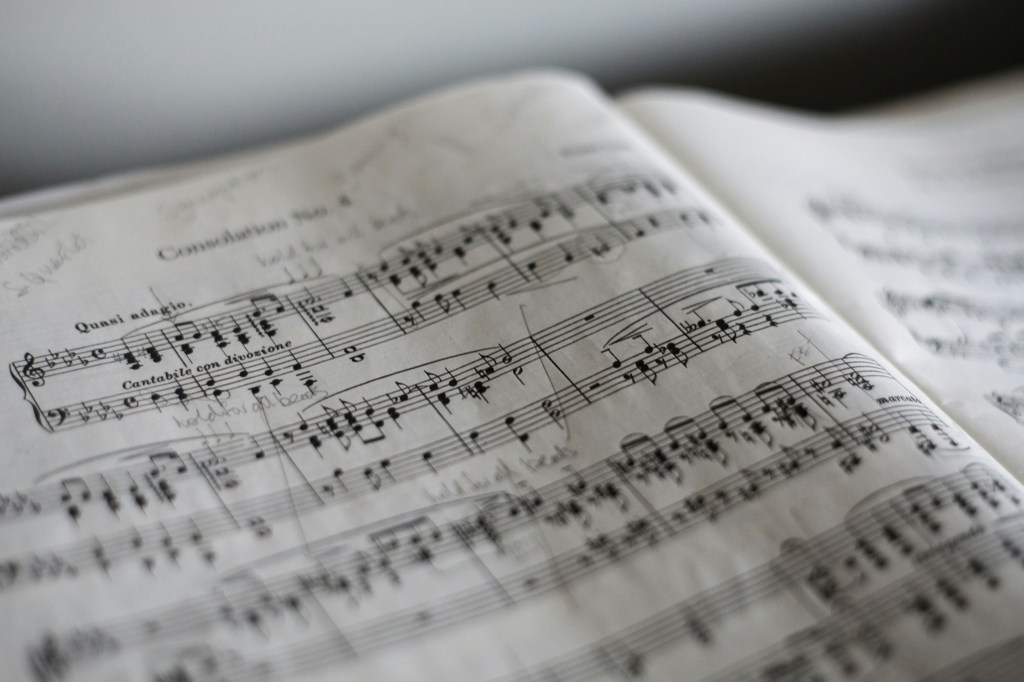
When most people think about music lessons, they think about learning notes, practicing scales, or preparing for a performance.
But music is so much more than a skill.
It’s a powerful tool for healing.
Whether you’re sitting at the piano or lifting your voice in song, music has the ability to support your emotional, physical, and even neurological health in ways many people don’t realize.
Let’s take a deeper look at how playing piano and singing can transform your overall well-being.
Music Regulates the Nervous System
In today’s fast-paced world, so many of us are living in a constant state of stress.
Music helps gently bring the body back into regulation.
When you play the piano or sing, your breathing slows, your heart rate steadies, and your body begins to shift out of “fight or flight” mode into a place of calm.
This is especially powerful when it comes to singing and vocal expression.
As functional medicine expert Dr. Will Cole explains:
“I regularly recommend humming and other vagus nerve exercises to my telehealth patients as gentle yet powerful tools for nervous system regulation, calming inflammation, hormone balance and supporting gut health.
Humming instantly spikes nitric oxide, tones the vagus nerve, lowers cortisol, releases stored tension, and activates rest-and-digest mode — making it incredibly effective for anxiety, insomnia, trauma healing, and chronic stress. I also recommend complementary practices like deep breathing, gargling, and singing, paired with vagal nerve stimulation devices, to improve heart rate variability, reduce inflammation, balance hormones, support gut healing, and ease autoimmune symptoms. These simple daily tools create the internal safety your body needs to move from survival mode into true repair and vibrant health.”
In other words—your voice is not just expressive. It’s therapeutic.
Singing and Playing Music Reduces Anxiety and Stress
Have you ever noticed how different you feel after singing your favorite song or playing through a piece of music you love?
Music has a direct impact on stress hormones like cortisol.
- Singing releases endorphins (your body’s “feel-good” chemicals)
- Playing piano encourages mindfulness and presence
- Repetition and rhythm create a calming, grounding effect
For both children and adults, music becomes a safe place to process emotions rather than suppress them.
Music Supports Emotional Expression and Healing
Not everything we feel can be put into words.
Music gives us another language.
For students—especially children—piano and voice lessons provide a healthy outlet to:
- Express emotions they don’t yet know how to articulate
- Build confidence in who they are
- Experience joy without pressure
For adults, music can reconnect you to parts of yourself that have been buried under responsibility, stress, or burnout.
It creates space to feel again.
Playing Piano Strengthens the Brain
Learning piano is one of the most powerful activities for cognitive development.
It engages both sides of the brain at the same time, strengthening neural pathways that impact:
- Memory
- Focus and concentration
- Problem-solving skills
- Coordination
This is why music education is especially beneficial for homeschool families and growing students—but it’s never too late to start. Adults experience these benefits too.
Music Improves Breathing and Physical Health
Singing, in particular, strengthens the respiratory system.
It teaches:
- Deep, controlled breathing
- Lung expansion
- Breath awareness
These are the same patterns used in many therapeutic practices for anxiety and stress regulation.
Even something as simple as humming can:
- Relax the body
- Improve oxygen flow
- Support heart rate variability
Your body was designed to respond to sound—and especially to your own voice.
Music Creates Connection and Joy
Beyond the science, music brings something deeply human into our lives: connection.
Connection to:
- Yourself
- Others
- Creativity
- Joy
Whether it’s a child learning their first song, a student gaining confidence, or an adult rediscovering a love for music, these moments matter.
They shape not just musicians—but whole, healthy people.
Why Music Lessons Are an Investment in Whole-Body Health
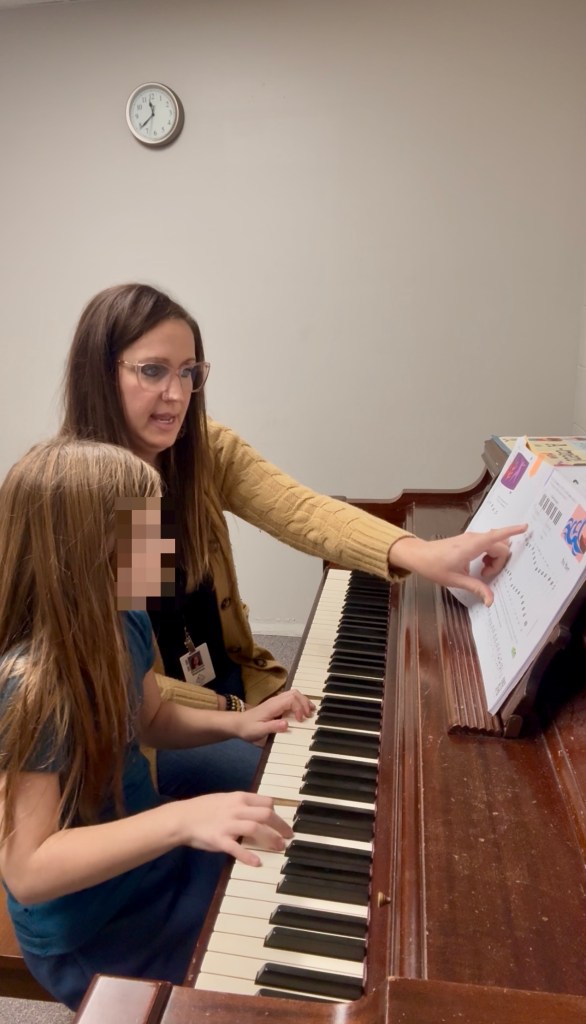
When you sign up for piano or voice lessons, you’re not just learning music.
You’re:
- Supporting emotional well-being
- Strengthening the brain
- Regulating the nervous system
- Creating space for joy and creativity
Music is one of the few activities that engages the mind, body, and heart all at once.
And in a world that constantly pulls us in different directions, that kind of alignment is powerful.
Ready to Experience the Benefits of Music?
Whether you’re looking for lessons for your child or you’re ready to start (or return to) music yourself, piano and voice lessons can be a life-giving addition to your routine.
You don’t need to be perfect.
You don’t need prior experience.
You just need a willingness to begin.
Because sometimes, the most powerful form of healing…
starts with a single note.



 Living Our Best Life